
FAQs
Find answers to common questions about plant nutrition and the Kynoch Garden Range.
What is Photosynthesis?
Photosynthesis is the process by which plants use sunlight, carbon dioxide, and water to make food (glucose) and release oxygen as a byproduct.
What are the function of leaves?
Leaves are vital for a plant’s health, as they produce food through photosynthesis, exchange gases through tiny openings called stomata, and help regulate temperature by releasing water vapor. Leaves also serve as indicators of a plant’s health; their color, texture, and shape can reveal nutrient deficiencies, water needs, and overall vitality
How many essential plant nutrients does a plant need for optimal health?
There are 16 essential nutrients that plants require for optimal health, each playing a unique role in supporting growth, development, and resilience.
- Macronutrients (needed in larger amounts): These include nitrogen (N), phosphorus (P), and potassium (K), which are crucial for leafy growth, root development, and overall plant health. Secondary macronutrients—such as calcium (Ca), magnesium (Mg), and sulfur (S)—aid in structural strength, enzyme activation, and chlorophyll production.
- Micronutrients (needed in smaller amounts): These trace elements, such as iron (Fe), zinc (Zn), copper (Cu), and manganese (Mn), are vital for enzyme function, nutrient uptake, and disease resistance.
Each of these nutrients supports specific biological functions within the plant, ensuring balanced growth, robust development, and the ability to withstand environmental stresses.
What is the difference between slow-release and quick-release fertilizers?
Quick-release fertilizers provide immediate nutrients but may require more frequent applications. Slow-release fertilizers gradually feed plants over time, reducing the need for multiple applications.
Is Kynoch Garden Range a slow-release fertilizer?
Yes, Kynoch Garden Range fertilizers have a controlled release of nutrients. The primary nitrogen source, urea, is designed to release nitrogen gradually, allowing plants to absorb nutrients over time. This slow-release effect supports consistent growth, minimizes nutrient loss, and reduces the frequency of application needed.
What does NPK stand for?
N – Nitrogen
P- Phosphorus
K – Potassium
Macronutrients needed in larger amounts.
What is a macronutrient?
Macronutrients are the primary nutrients that plants need in the largest quantities to support essential growth and health. These include:
- Nitrogen (N): Vital for leafy, green growth and overall plant vigor.
- Phosphorus (P): Supports strong root development and is essential for flowering and fruiting.
- Potassium (K): Enhances the plant’s ability to resist disease and promotes overall strength.
These three macronutrients—nitrogen, phosphorus, and potassium—form the foundation of plant nutrition, driving key growth processes and helping plants reach their full potential.
What is micronutrient?
Micronutrients are essential nutrients that plants need in very small amounts, but they play a big role in healthy growth and development. These nutrients help with important processes like nutrient uptake, enzyme function, and resistance to disease.
Examples of micronutrients include iron (Fe), boron (B), chlorine (Cl), manganese (Mn), zinc (Zn), copper (Cu), molybdenum (Mo), and nickel (Ni). Even though plants need only a little of each, these trace minerals are crucial for a plant’s overall health.
What does the (25) represent in the Kynoch NPK formulations?
The (25) represents the percentage of primary nutrients—Nitrogen (N), Phosphorus (P), and Potassium (K)—in the fertilizer. This means that 25% of the product is made up of these essential macronutrients, ensuring balanced and effective nutrition for plant growth.
What makes up the rest of the 75% of the bag?
The rest of the bag is made up of the micro elements and trace elements.
What sizes bags are the Garden Range available in?
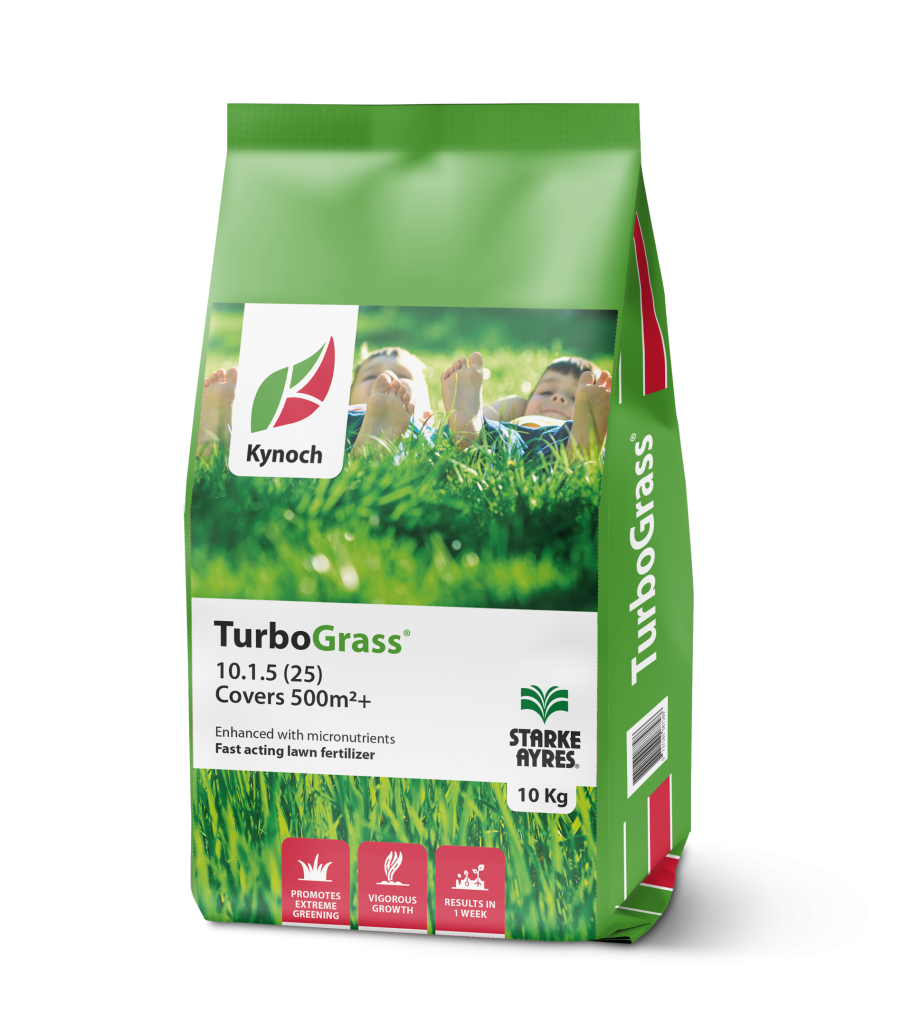
The Garden Range is available in 2kg and 5kg bags, with TurboGrass also available in a larger 10kg size.
What is the coverage for both product sizes:
2kg bag: Covers up to 100 m² — suitable for small gardens, roughly the size of a typical townhouse garden or a few flower beds.
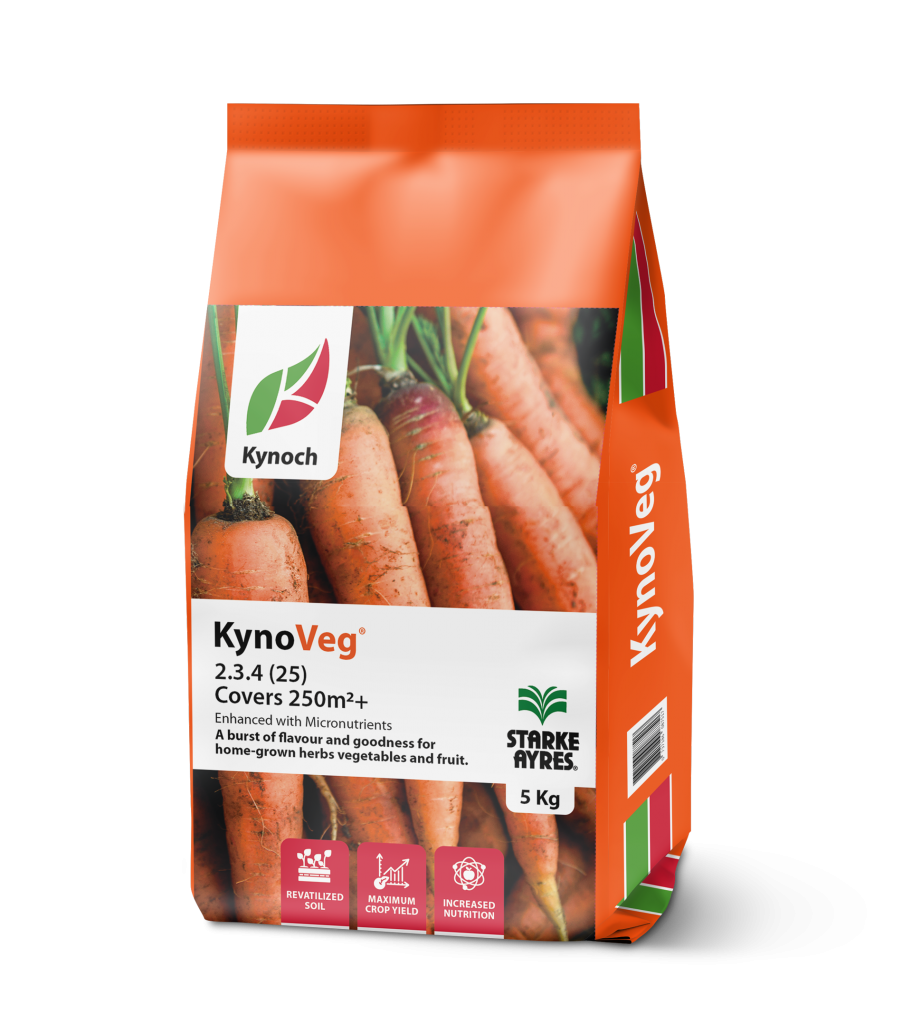
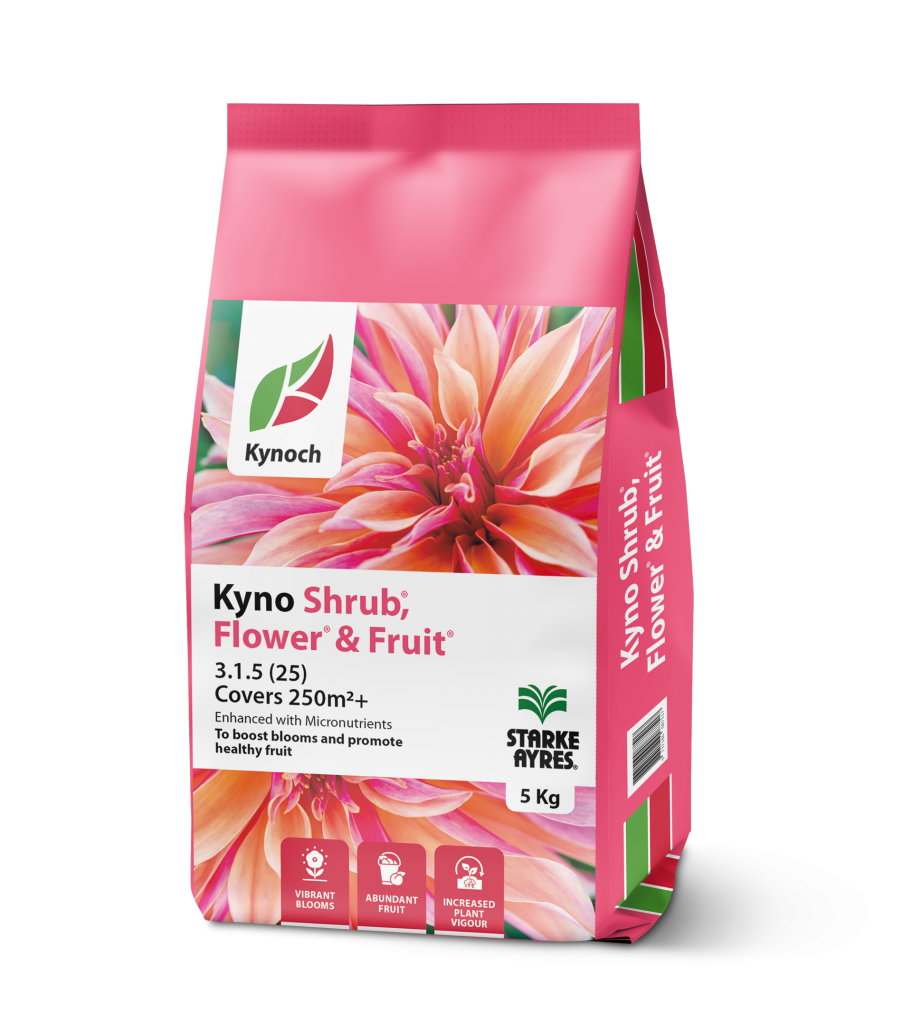
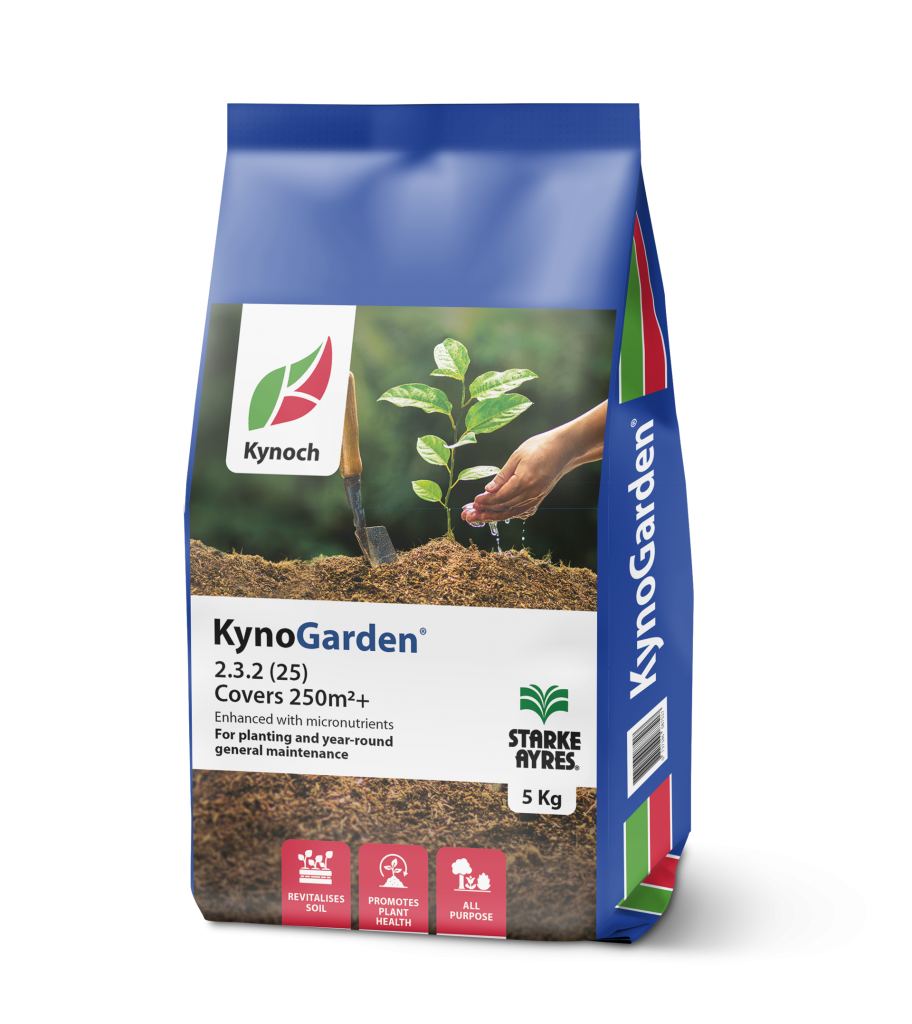
5kg bag: Covers up to 250 m² — ideal for medium-sized gardens, such as a suburban yard with multiple garden beds and lawn areas.
10kg bag: Covers up to 500 m² — best for large gardens, like a full-sized lawn or with expansive flower beds and shrubs.
Which product options in the range are for planting?
- KynoGarden: Ideal for establishing shrubs, ornamental plants, and new lawns. Its balanced nutrients support healthy root development and initial growth, helping new plants get off to a strong start.
- KynoVeg: Specially formulated for all edible plants, including vegetables, herbs, and fruiting plants. It provides essential nutrients for safe, productive growth, ensuring that edible plants develop well from the start.
These products are tailored to support plants during the critical planting phase, promoting strong roots, vigorous growth, and overall plant health.
Which product options in the range are for maintenance?
- KynoShrub Flower and Fruit: Designed for ongoing garden maintenance, this fertilizer provides balanced nutrients to support the health of flowers, shrubs, and fruit-bearing plants. It helps maintain vibrant blooms, healthy foliage, and productive fruit growth, ensuring your garden stays lush and thriving.
- TurboGrass: Ideal for maintaining lawns and shrub beds, TurboGrass promotes strong, green growth and helps prevent nutrient deficiencies. It is specially formulated to keep lawns looking their best and can also support the growth of shrubs, providing them with the nutrients needed to stay healthy and resilient.
Both products are formulated for ongoing use to sustain plant health, improve resistance to stress, and keep gardens looking their best throughout the growing season.
Do I need to water after applying fertilizer, and when is the best time for best results?
Yes, it’s important to water thoroughly after applying fertilizer to help nutrients penetrate the soil. For best results when planting, water both before and after adding fertilizer. This ensures the soil is well-prepared to absorb nutrients and supports healthy root establishment.
How do you apply the fertilizer?
- When Planting: Before placing the plant in the ground, evenly spread a layer of fertilizer directly into the planting hole. Use a product specifically designed for planting, like KynoGarden or KynoVeg, to ensure the plant gets the right nutrients during its early growth stages.
- For Maintenance: Spread the fertilizer evenly over the soil around the base of the plant, adjusting the amount based on the size of the plant. This helps keep established plants healthy and thriving.
Always remember to water after applying fertilizer to help it absorb into the soil effectively
How often should I fertilize my garden?
Most gardens benefit from fertilizer applications every 6-8 weeks during the growing season. However, for even better results, you can apply smaller quantities every 4-6 weeks to keep your garden lush and vibrant all year round. This approach supports continuous blooms, healthy fruit production, and abundant herbs. Always follow the product instructions for the best results.
Can I use garden fertilizer on my indoor plants?
Yes, you can use our garden fertilizer on indoor plants. Adjust the amount based on the pot size:
- For small pots (10-15 cm), use about a teaspoon of fertilizer.
- For medium pots (15-25 cm), use around a tablespoon.
- For large pots (25 cm+), use one handful.
After applying, water thoroughly to ensure nutrients are evenly distributed and avoid nutrient burn.
How long does it take for fertilizer to show results?
Results can typically be seen within 1-2 weeks, as plants absorb the nutrients and begin to show improved growth and colour.