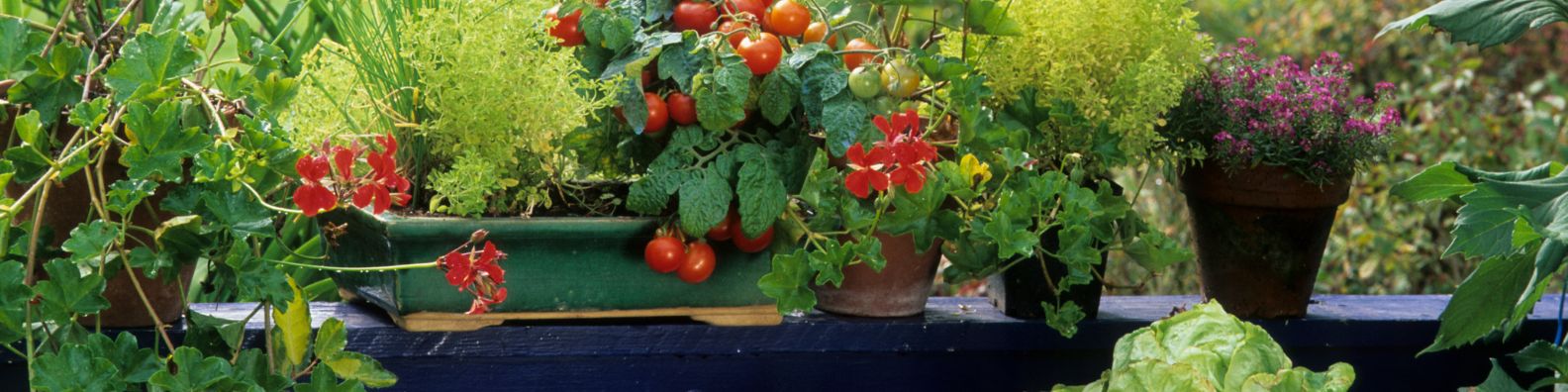
City dwellers and small-space gardeners, spring is the perfect time to transform your balcony, patio, or tiny yard into a green oasis! Even if you only have a few square meters, you can grow a bounty of plants with the right approach. In this article, we’ll share tips for planting in small urban spaces – from choosing containers and dwarf fruit trees to the best compact veggies and herbs for spring. We’ll also discuss how to care for your container garden, including using KynoVeg fertilizer and other Kynoch products ideal for pots. Let’s dive into the world of balcony gardening and get your small space blooming.
Setting Up Your Small-Space Garden
Before you rush to buy plants, take some time to set up your space for success:
- Assess Sunlight: Observe how much sun your balcony or courtyard gets and where. Most fruiting plants (like tomatoes or lemons) need 6+ hours of sun a day, whereas leafy greens and some herbs can tolerate partial shade. Place sun-loving plants in the brightest spots and use shadier corners for low-light plants (fern, mint, etc.).
 Choose the Right Containers: Opt for pots that are large enough for your plants’ roots. A dwarf fruit tree will need a container at least 40-50 cm in diameter, while herbs and salads can grow in smaller pots or window boxes. Ensure every container has drainage holes – proper drainage is crucial to prevent root rot. Lightweight plastic or fiberglass pots are balcony-friendly (they’re easier to move and don’t add too much weight).
- Use Quality Potting Mix: Don’t use garden soil in containers, as it compacts and drains poorly. Instead, fill your pots with a high-quality potting mix that’s light and rich in organic matter. This provides good drainage and root aeration. For extra fertility, mix in a few handfuls of compost or well-rotted manure to the potting mix before planting.
- Think Vertical: In small spaces, vertical gardening is a game-changer. Add shelves or plant stands to stack pots at different levels. Use railing planters or hanging baskets for trailing flowers and herbs. You can even fix a trellis or netting for climbers like beans or cucumbers to grow upwards. This maximizes your green space without cluttering the floor.
- Group Plants Smartly: Cluster pots together to create a humid microclimate and make watering easier (plus it looks lush!). Try to group plants with similar water needs so nothing gets over- or under-watered. For instance, keep water-loving veggies together, and put drought-tolerant succulents or herbs like rosemary in their own section.
Best Dwarf Fruit Trees for Balconies
Yes, you can grow fruit trees on a balcony! The key is to choose dwarf or compact varieties that thrive in containers. Here are a few wonderful options for South African urban gardeners:
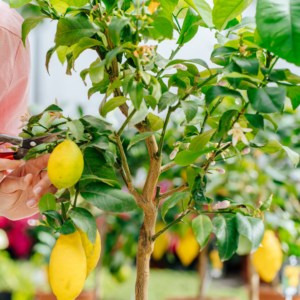
Dwarf Citrus (Lemons & Naartjies): Improved Meyer lemon trees are a favorite for pots – they stay reasonably small (1–1.5m in a pot), are evergreen, and produce fragrant flowers and juicy lemons. Dwarf naartjie (mandarin) or kumquat are also great, offering plentiful fruits in a small form. Citrus love sun, so place them in a bright spot. Tip: Citrus in containers appreciate feeding with a fruit fertilizer like KynoShrub, Flower & Fruit every 6 weeks to support their heavy blooming and fruiting.
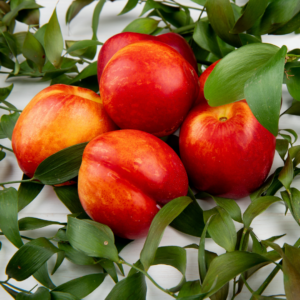
Dwarf Peach or Nectarine: Some peaches/nectarines are grafted onto dwarfing rootstocks – look for varieties labeled “patio” or “dwarf”. They reward you with beautiful spring blossoms and summer fruit, and typically stay under 1.5m tall in a pot. Keep in mind these need a bit of winter chill, so they do best in areas with cool winters (Western Cape nights are ideal). Ensure a large pot and yearly pruning to keep them compact.
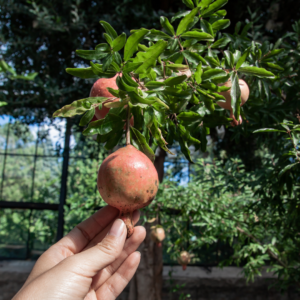
Pomegranate & Fig: Pomegranate bushes (try the “Nana” dwarf pomegranate) do excellently in containers and are water-wise once established. They have lovely orange-red flowers and decorative fruit. Figs can also be grown in pots; while not explicitly dwarf, the container size will naturally limit their growth. Varieties like ‘Black Jack’ fig can fruit in a large pot and appreciate the warm microclimate of a patio. Both pomegranates and figs love the Western Cape’s dry summer air and are fairly pest-resistant.
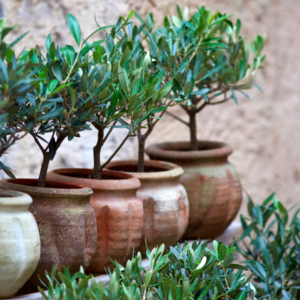
Olive Trees: A small olive tree in a pot brings Mediterranean charm to any balcony. They are slow-growing and can live for years in a container. While they might not produce tons of olives without ample sun and some cross-pollination, they make attractive, hardy container specimens that handle heat and wind well. Choose a dwarf cultivar like ‘Little Ollie’. Feed with a general fertilizer (like KynoGarden) in spring to keep foliage healthy.
Container fruit tree care:
Use deep pots (trees have deeper roots) and weight the bottom with some stones if necessary to prevent tipping in strong winds. Water when the top 5 cm of soil is dry – fruit trees don’t like constantly wet feet, but don’t let them bone-dry either especially when flowering or fruiting. A layer of mulch on top of the soil in the pot (like bark chips or pebbles) helps retain moisture and looks neat.
Top Compact Veggies and Herbs for Small Gardens
Nothing beats stepping onto your balcony to pick fresh veggies and herbs for dinner. When space is limited, choose crops that are compact, high-yielding, and suited for container growth:
Vegetables (perfect for pots):
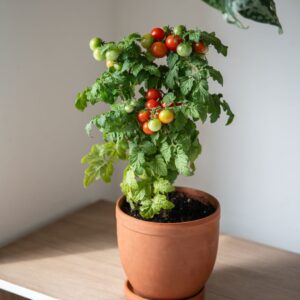
Cherry Tomatoes: These are a container classic. Bush or determinate varieties like ‘Patio Princess’ or ‘Tiny Tim’ stay small and produce loads of cherry tomatoes. Give them a sunny spot and a stake or small cage for support. They’ll reward you all summer.
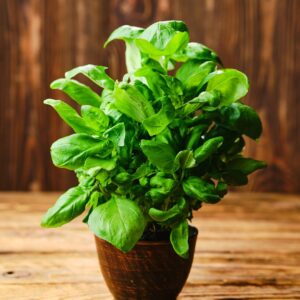
Salad Greens: Lettuces (especially loose-leaf types), spinach, rocket (arugula), and Asian greens (like bok choy) do very well in shallow window boxes or bowls. Sow seeds or plant seedlings now in spring for a continuous supply of salad. Harvest leaves as needed (cut-and-come-again style). Rotate new sowings every few weeks to keep the harvest going.
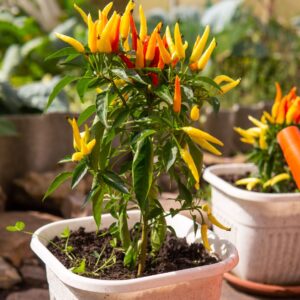
Peppers and Chillies: Most sweet peppers and chilli plants stay relatively compact (30–60 cm) and flourish in pots. They love warmth, so Western Cape’s late spring and summer are great for these. Try a baby bell pepper variety or jalapeños in a 5-10L pot. They’ll add a splash of color with their fruit too!
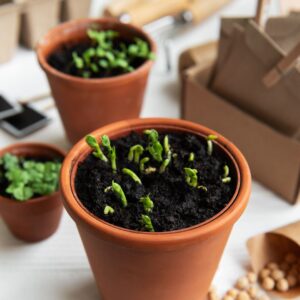
Bush Beans: Dwarf French beans grow only about 30 cm tall and can be grown in broad, shallow containers. Plant a few together for a bushy, productive pot of beans. Examples include “Contender” or “Mascotte” (a variety bred for window boxes). They’ll be ready to start picking within 2 months of sowing.
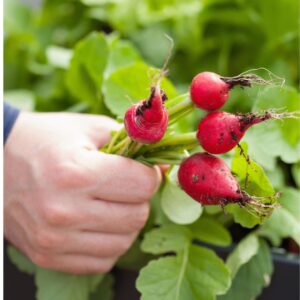
Baby Carrots & Radishes: Standard long carrots struggle in pots, but round or mini carrots (like the Parisian heirloom carrot) thrive in them! Use a deep pot (20-30 cm) for carrots to allow root depth. Radishes are quick growers and can even be tucked into the edges of larger pots; they mature in about 4 weeks from seed. These are fun for beginners and kids.
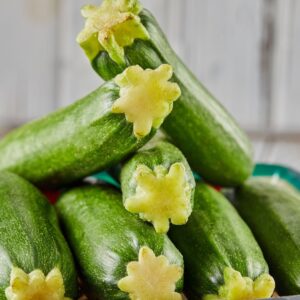
Courgettes (Zucchini): While regular zucchini plants sprawl, there are compact varieties like ‘Patio Star’ which have a bush habit suited to containers. Even one plant can yield many courgettes. Just give it a wide pot (at least 40 cm) and plenty of sun. Train big leaves upward or outward off the balcony rail if space is tight.
Herbs (must-haves for any small garden): 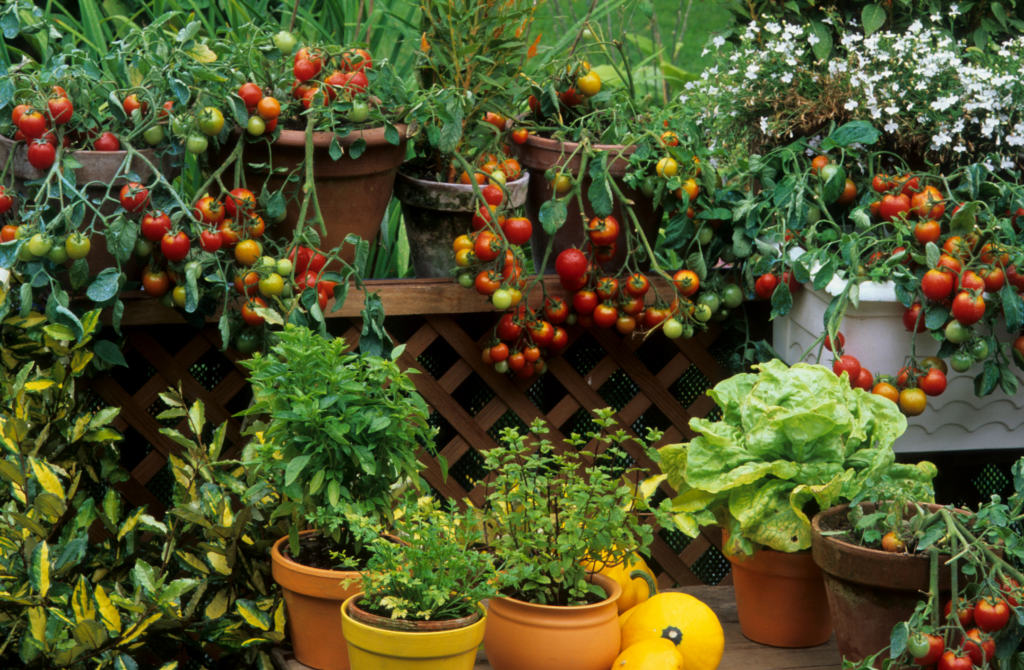
- Basil: A fragrant staple for summer cooking, basil loves containers. Plant a couple of varieties (sweet Genovese basil for pesto and maybe Thai basil for variety). They enjoy sun but might need a bit of afternoon shade in scorching weather to prevent wilting. Pinch off flowers to keep leaves coming.
- Parsley: This biennial herb stays lush for a long time in pots. Flat-leaf or curly, pick your favorite. It tolerates part shade and doesn’t mind cooler spring weather, so you can start it early. Keep soil moist for tender growth.
- Thyme & Oregano: These Mediterranean herbs actually prefer the drier conditions of containers. They remain low-growing and will cascade nicely over edges. Plus, they are perennial – they’ll survive year to year (especially in Western Cape’s mild winters). They need lots of sun and good drainage.
- Mint: Be careful with mint – it’s a vigorous spreader! But in a pot, it’s contained and will provide endless mint leaves for your tea and desserts. Mint tolerates shade better than many herbs, so you can park it in a less sunny spot. Just keep it well-watered. Pro tip: Give mint its own pot; don’t mix it with other herbs, or it will overtake them.
- Rosemary & Sage: These can grow larger over time, but they start relatively small and grow slowly in containers. Both provide amazing flavor and are tough plants (drought-tolerant once established). A dwarf rosemary variety (or prostrate “creeping” rosemary) can even be used in a hanging basket. Sage adds beautiful grey-green foliage and purple flowers in spring. They prefer sun and good airflow.
Caring for Your Spring Container Garden
Once your plants are potted up and growing, follow these care tips to keep your balcony garden flourishing:
- Regular Watering: Container plants generally need more frequent watering than those in the ground. In spring’s mild weather you might water every 2-3 days, but as it warms up towards summer, daily watering could be necessary for small pots. Always check soil moisture by sticking a finger 2-3 cm into the soil – if it feels dry at that depth, it’s time to water. Water thoroughly until you see it run out the drainage holes. Tip: Water in the morning if possible; this charges plants up for the day and any excess on leaves will dry off (preventing fungus). In very hot weather, you might do a second light watering in late afternoon for wilting plants, but avoid constantly soggy soil.
- Consistent Feeding: Nutrients in potting mix get used up or washed out over time, so feeding is crucial. Balanced, slow-release fertilizers are ideal for containers. Kynoch’s KynoVeg® fertilizer is formulated for vegetables and herbs, making it perfect for container edibles. It contains a full range of nutrients and a slow-release coating, so it nourishes plants gradually without risk of burn. Mix a small amount of KynoVeg into the potting soil when planting, or lightly scratch a tablespoon into the top of the soil for established pots each month. Always water after applying granular fertilizer in pots, which helps nutrients start leaching down to the roots. For flowering or fruiting container plants (like your dwarf citrus or patio roses), KynoShrub, Flower & Fruit can be used similarly – about a tablespoon in a medium pot every 4-6 weeks to support blooms and fruit.
- Pruning and Training: Small-space gardens benefit from a little pruning to stay neat and productive. Pinch the tips of herbs like basil and mint regularly to encourage bushiness. Trim thyme/oregano to prevent them from getting woody. Remove suckers on tomatoes and dead leaves on all plants to direct energy to new growth. If you have climbers, tie their vines gently to supports as they grow. For fruit trees, you may need to thin out some fruits or prune lightly after fruiting to keep the tree shapely and within size.
- Pest Watch: Keep an eye out for common pests like aphids, whiteflies, or caterpillars, which can appear in any garden. In a small space, it’s easy to do organic pest control: simply squish aphids with your fingers or wash them off with soapy water. Inspect the underside of leaves when you water. Encourage natural predators like ladybugs if you see them. Healthy container plants generally resist pests better, but dealing with issues early prevents infestations in your cozy garden area.
- Tidiness and Rotation: Because every inch counts, keep your space tidy. Remove yellowing leaves or spent annual plants to make room for new ones. You can do succession planting in pots – for example, once your first crop of radishes or lettuce is finished, replant that container with a summer crop like a dwarf bean or some basil. This way you get multiple rounds of harvest even from the same pot, extending your garden’s productivity into late summer.
Lastly, enjoy the process! Part of the charm of balcony gardening is that your plants are close at hand. Take your morning coffee among your potted herbs, or wind down in the evening by checking on new seedlings. Small-space gardening in spring is not only possible, it’s incredibly rewarding when you bite into that first home-grown tomato or garnish a dish with your own balcony-grown parsley.
Balcony and small garden ideas
Small-Space Gardening FAQ
Q: Can I grow fruit trees on a balcony without them outgrowing the space?
A: Absolutely! Choose dwarf varieties or those labeled “patio” that are bred to stay small. These will happily live in large pots for many years. You’ll need to do a bit of pruning to maintain their shape and size – usually right after fruiting or in early spring before new growth. Also, refresh the topsoil or repot every couple of years to avoid the tree becoming root-bound. With proper care, dwarf fruit trees like lemons, figs, or peaches can thrive on a balcony and yield fruit, all while staying under 1.5–2 meters tall.
Q: What are the easiest vegetables for beginners to grow in a container?
A: Some of the easiest veggies for container beginners are leafy greens and herbs. Lettuce, spinach, and rocket grow quickly and don’t need deep soil. You can start from seed and see results within weeks. Bush beans and radishes are also very forgiving and fast-growing – great for kids or impatient gardeners! If you have a sunny spot, a cherry tomato in a pot is relatively easy too (just keep it watered and give it a small trellis for support). Starting with these will build your confidence. As you gain experience, you can try trickier plants like peppers or mini eggplants. Remember, success also comes from using good soil, proper pot size, and regular feeding (a scoop of KynoVeg fertilizer now and then will work wonders).
Q: How often should I water my container plants?
A: This depends on the weather, pot size, and plant type, but generally check daily. In mild spring conditions, many pots might need water every 2-3 days. Once the summer heat kicks in or if your balcony is very sunny/windy, you may be watering once a day (small pots can even dry out by evening and need a second drink). Always feel the soil – if the top inch is dry, it’s time to water. Conversely, be careful not to keep soil constantly waterlogged; most plants like a bit of a break between waterings to breathe. Using mulch on top of your potting soil and grouping pots close can reduce how often you need to water by slowing evaporation.
Q: Can I reuse potting soil from last season?
A: You can, with some caution. Over time, potting soil compacts and loses nutrients. If you plan to reuse, refresh it by mixing in new compost or well-rotted manure and a few spoonfuls of fertilizer (like KynoGarden or KynoVeg granules) to restore nutrients. Also, remove any old roots or debris from previous plants. It’s a good idea to rotate what you grew in that pot – for example, don’t plant tomatoes in the exact same soil two seasons in a row, to prevent disease build-up. Reused soil is best for hardy ornamentals or flowers. For veggies that you eat, many gardeners opt to use mostly fresh potting mix each season to ensure robust, disease-free growth. If your old soil looks waterlogged, has salt crust, or had pest issues, it’s better to dump it in the garden bed (if you have one) or in the compost and start with a fresh batch for your edibles.